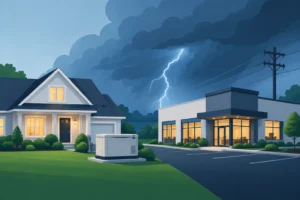

A standby generator is not a project you want to begin when a named storm is already in the Gulf. By then, equipment availability, permit offices, fuel contractors, and installation schedules can all be under pressure. This generator installation timeline guide shows what usually happens between the first conversation and the moment your system is ready to power your home or business automatically.
For Baldwin County property owners, the right timeline depends on your generator size, fuel source, local permitting requirements, site conditions, and the season. A straightforward residential installation may move quickly. A larger home, a commercial property, or a project requiring a new natural gas or propane connection can take longer. The goal is not to rush critical electrical and fuel work. It is to plan early, make informed choices, and have Power You Can Count On before the next outage arrives.
Start With a Site Visit and Power Assessment
The process begins with an on-site consultation. A professional installer looks beyond square footage to understand what your property actually needs during an outage. For a home, that may include central HVAC, refrigerators and freezers, well pumps, security systems, internet equipment, lighting, garage doors, medical devices, and selected outlets. For a business, the priority may be refrigeration, point-of-sale equipment, communications, security, servers, lighting, or critical machinery.
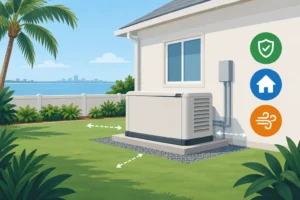
This visit also identifies practical installation details. The team evaluates the electrical service, panel capacity, possible generator locations, setbacks, noise considerations, drainage, and access for equipment. Along the Gulf Coast, site elevation and drainage deserve particular attention. A generator needs a stable location that remains accessible and protected from standing water during severe weather.
Most site assessments take a few hours, followed by a proposal and recommended system size. If you already know you want to power the entire property, the review still matters. Load calculations help prevent the common mistake of buying a generator that is either undersized for the equipment you expect to run or larger than your needs and budget justify.
Select the Generator and Fuel Plan
After the assessment, you choose the equipment and define what will stay powered. An automatic standby generator works with an automatic transfer switch. When utility power fails, the switch safely separates the property from the grid, signals the generator to start, and transfers selected electrical loads to backup power. When utility service returns, the system transfers back and the generator shuts down after its cool-down cycle.
Equipment selection can be quick when the right Generac unit is available and the scope is clear. It can take longer when a specific model must be ordered, when the property requires a larger commercial unit, or when demand rises before hurricane season. Ordering early gives you more choices and avoids making a major decision under storm pressure.
Fuel is often the factor that shapes the schedule. Natural gas is convenient where reliable gas service is available, but the installation may require coordination with the gas utility or a licensed gas contractor. Propane provides an excellent option in areas without natural gas, but tank sizing, placement, delivery access, and scheduling must be addressed. Diesel systems are more common for certain commercial applications and bring their own fuel-storage requirements.
A dependable contractor will explain the trade-offs plainly. A smaller system may protect only essential circuits and cost less upfront. A whole-home or whole-business solution offers broader comfort and continuity, but it requires more capacity, more planning, and a higher investment.
Permits and Utility Coordination Can Add Time
Permitting is not paperwork to skip. It protects your property by ensuring the generator, electrical work, fuel connection, and placement follow applicable local requirements. Depending on the jurisdiction and scope, permits may be needed for electrical work, gas or propane piping, and the generator installation itself.
Permit timing varies across Baldwin County communities and surrounding Gulf Coast areas. Some projects receive approval quickly; others need additional documentation, plan review, or corrections before work can begin. If your property is in a neighborhood with an architectural review board or homeowners association, approval may add another step. Check those requirements early, especially for visible equipment, fencing, or propane tanks.
Utility coordination can also affect the schedule. A natural gas meter upgrade, new service connection, or changes to service piping cannot always happen on the installer’s preferred date. The same is true if electrical service upgrades are needed before a transfer switch can be connected safely. These steps are worth the wait. Your generator is only as dependable as the systems supporting it.
What Happens During the Installation
Once equipment, permits, and fuel arrangements are in place, the physical installation is often completed in one to several days. The exact duration depends on the complexity of the property, trenching needs, panel work, and whether the project includes a new propane tank or gas line.
The installation team prepares the generator location with an approved pad or foundation and sets the unit in place. Electricians install the transfer switch and make the necessary panel connections. Licensed fuel professionals connect natural gas, propane, or diesel supply as required. Conduit, wiring, and fuel piping are secured, protected, and routed to meet code and provide long-term reliability.
You should expect some temporary interruptions to electrical service while the transfer equipment is connected and tested. Your installer should explain the work sequence, access needs, and any planned outage before the job starts. For businesses, that conversation matters even more. Scheduling electrical work outside operating hours may help protect customers, inventory, and daily operations.
A professional installation is not simply placing a generator beside the house. Proper clearances, correct transfer-switch sizing, safe fuel delivery, and clean electrical integration are what allow the system to perform when conditions are at their worst.
Inspection, Startup, and Testing
After installation, required inspections must be completed before the project is fully closed out. Inspection availability can add days or longer, particularly during busy construction periods. If an inspector requests a correction, the contractor addresses it and schedules a follow-up. That is a normal part of doing the job correctly.
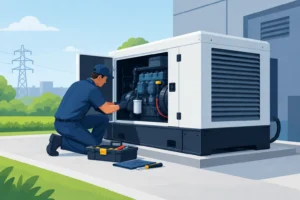
Startup comes next. The technician checks voltage, frequency, transfer operation, safety settings, battery condition, fuel supply, and system alerts. The generator is run under a controlled test so you can see how automatic backup power works before an actual outage.
This is also the time for homeowner or staff orientation. You should know where the generator is located, what normal exercise cycles sound like, how to recognize an alert, who to call for service, and why the unit should never be blocked by stored items, landscaping, or debris. A standby generator is designed to operate automatically, but informed owners are better prepared to protect their investment.
A Realistic Generator Installation Timeline Guide
For a typical residential project with available equipment, a clear site, and no utility complications, planning through final startup may take several weeks. Projects can move faster when permits and equipment are readily available. They can take longer when demand is high, approvals are delayed, fuel service must be expanded, or significant electrical upgrades are required.
Commercial projects often need more time because load planning, equipment size, engineering, business scheduling, and inspection requirements are more involved. Second-home owners should also allow extra time if decisions, access, or approvals must be coordinated from out of town.
The most useful approach is to begin before severe weather is forecast. A generator installed in spring or early summer gives you time to make careful choices, complete inspections, and learn your system before hurricane season reaches its busiest stretch.
Plan for Service After Installation
Installation day is the beginning of generator ownership, not the end of it. Automatic standby systems need routine maintenance to remain ready. Oil and filter service, battery checks, inspections, exercise verification, and software or controller reviews all help identify issues before they become outage-day failures.
Jubilee Generator supports customers from system selection through professional installation and ongoing maintenance, so there is a trusted local team to call after the equipment is in place. That ongoing relationship matters when your home in Fairhope, Daphne, Spanish Fort, Gulf Shores, Orange Beach, or elsewhere in Baldwin County depends on backup power.
If you are considering a standby generator, start with a site assessment while you still have time to choose the right level of protection. The best day to test your plan is a calm day, long before the lights go out.