
A standby generator that has not run since last hurricane season may look ready, but appearance is not proof. Learning how to exercise a standby generator helps confirm that its engine, battery, controls, and fuel supply are prepared before an outage puts your home or business to the test.
For property owners along Alabama’s Gulf Coast, this is not a task to postpone until a storm is approaching. Regular exercise is one of the simplest ways to protect the system that keeps your HVAC, refrigeration, security, internet, lighting, and critical equipment operating when utility power is down.
What Exercising a Standby Generator Does
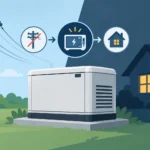
Exercising a standby generator means running it on a planned schedule while normal utility power is available. Most automatic standby generators are programmed to do this automatically, often once a week, for a short period. During that run, the generator starts, circulates oil, charges or supports the battery, and allows the control system to check for basic operating issues.
That regular run matters because generators spend most of their lives waiting. Fuel systems, batteries, engine components, and electrical connections can develop problems during long periods of inactivity. A weekly exercise cycle gives the system a chance to identify a starting issue or warning code before an actual outage.
However, an exercise cycle is not the same as a full maintenance visit. A generator can start and run with no visible trouble, yet still have an aging battery, a restricted fuel supply, low oil, or a developing fault that needs professional attention.
How to Exercise a Standby Generator: A Safe Approach
Before doing anything, check the manufacturer’s owner manual for your specific model. Generac, Kohler, Cummins, and Briggs & Stratton systems can have different control panels, settings, exercise schedules, and maintenance requirements. If you are unsure of the model or its current condition, it is safer to call a qualified generator technician than to experiment with settings.
Start with a visual check from a safe distance. Make sure the area around the generator is clear of leaves, pine straw, mulch buildup, stored items, and anything that could block airflow. Gulf Coast humidity, wind-driven debris, and seasonal yard growth can quickly reduce the clear space a generator needs to cool properly.
Look for obvious concerns, such as a warning light on the controller, damage to the enclosure, fluid leaks, corrosion, rodent nesting material, or an unusual odor. If you smell gas, see a fuel leak, or notice damaged wiring, do not attempt to run the unit. Turn away from the equipment and contact a qualified service professional.
If the controller shows that automatic operation is enabled and no faults are present, many systems will exercise themselves according to their programmed schedule. On a typical automatic standby generator, the exercise setting starts the unit, lets it run for a set time, then shuts it down. You should hear the engine start and see the unit operate smoothly without excessive vibration, smoke, or unusual noise.
Do not open electrical panels, bypass safety controls, or adjust gas connections while the generator is running. Those jobs belong to trained technicians. The goal for a homeowner or property manager is observation: confirm the system starts as expected, remains clear and stable, and returns to ready status after the cycle.
Should the Generator Exercise With a Load?
It depends on the generator model, the controller settings, and the type of testing being performed. Many automatic standby generators perform their regular weekly exercise without carrying the home’s electrical load. This is normal. A no-load exercise verifies that the engine and control system can start and run, but it does not fully prove that the transfer switch and generator will power the building during an outage.
A load test is more comprehensive. It checks whether the automatic transfer switch can move the home or business from utility power to generator power and whether the generator can support selected circuits or the whole electrical load. Because this test involves live electrical equipment and may interrupt normal power, it should be planned carefully.
For many residential properties, a professional maintenance visit is the right time to verify transfer operation and test the system under an appropriate load. For businesses with refrigeration, life-safety equipment, sensitive electronics, or critical operations, a tailored testing plan may be necessary to avoid disrupting customers or operations.
Never simulate an outage by turning off power at the main electrical panel unless a qualified technician has instructed you to do so. Improper handling can create electrical hazards, damage equipment, or leave parts of the property without power.
How Often Should You Run It?
Most standby generators are programmed for a weekly exercise cycle. Choose a time when the sound will not be disruptive, and make sure someone can occasionally observe the unit during its run. If your system has stopped exercising or the schedule has changed after a battery replacement, service visit, or power event, the controller may need to be checked and reset.
Weekly exercise does not replace scheduled maintenance. Oil, filters, spark plugs, batteries, air intake components, and fuel connections all need periodic attention based on the generator’s model, age, run hours, and manufacturer recommendations. A unit that sees frequent outage use may need service sooner than one that only completes routine exercise cycles.
For Gulf Coast property owners, it is wise to arrange professional service before the most active severe-weather months rather than after the first named storm enters the Gulf. That gives a technician time to correct issues before the generator is needed.
What to Watch for During Exercise
A properly operating generator should start promptly, run evenly, and return to ready mode when the exercise cycle ends. You do not need to stand next to it for the entire cycle, but a quick check can catch warning signs early.
Pay attention to these changes:
- A slow crank, repeated starting attempts, or failure to start
- Warning lights, fault messages, or a controller that does not show ready status
- Excessive smoke, strong fuel odors, loud knocking, or unusual vibration
- Leaks beneath the enclosure or corrosion around battery terminals
- Blocked vents, insect nests, rodent activity, or debris around the unit
A fault code should not be ignored simply because the generator eventually starts. The controller is designed to flag conditions that could affect reliable operation. Record the message or take a photo of the display, then provide that information when scheduling service.
Fuel and Battery Readiness Matter
A generator cannot protect the property if its fuel or starting battery is not ready. Natural gas systems depend on a properly sized and functioning gas supply. Liquid propane systems need adequate fuel in the tank, especially before a storm when deliveries may be delayed. Diesel systems require a different maintenance approach, including attention to fuel condition and storage.
The battery deserves special attention because it performs the first essential job: starting the engine. Heat, humidity, and age can shorten battery life in coastal Alabama. If the unit cranks slowly, shows a battery warning, or has corroded terminals, schedule service before the next outage.
When to Call for Professional Generator Service
Regular owner observation is valuable, but professional maintenance protects the larger system. A qualified technician can inspect the engine, charging system, oil and filters, battery, enclosure, transfer switch, electrical connections, and fuel supply. They can also confirm that your exercise schedule is correct and that the generator is sized and configured to support the circuits you depend on.
Jubilee Generator provides full-service support for standby generator owners throughout Baldwin County and the surrounding Gulf Coast communities. Whether your system is newly installed or has been protecting your property for years, dependable service helps keep it ready for the moments that matter most.
The best time to find a generator problem is on a calm weekday, not when the lights go out and a storm is moving across the coast. Keep the area clear, watch for changes during routine exercise, and schedule professional service before your backup power is called into action.