
A power outage rarely gives you a convenient warning. One moment the air conditioning is running, the refrigerator is cold, and the internet is working. The next, a storm, damaged utility line, or grid failure has taken it all offline. Understanding what triggers automatic generator startup helps homeowners and business owners see why a professionally installed standby system can keep essential power ready when the Gulf Coast needs it most.
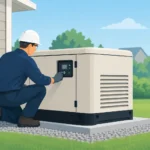
An automatic standby generator does not wait for someone to roll it outside, run an extension cord, or pull a starter cord. It is permanently installed outside the property and connected to the electrical system through an automatic transfer switch. When utility power fails, the system recognizes the change, starts the generator, and safely supplies power to selected circuits or the entire property.
What Triggers Automatic Generator Startup During an Outage?
The primary trigger is a loss of acceptable utility power. The automatic transfer switch continuously monitors the electricity coming from the utility. If voltage drops too low, disappears completely, or falls outside the frequency range needed to operate equipment safely, the switch sends a start signal to the generator.
That signal is not based on whether every light in the neighborhood is out. It is based on what the transfer switch detects at your electrical service. A tree limb on a line, storm damage, an equipment failure, or a wider utility outage can all create the conditions that trigger the system.
Most standby systems include a brief delay before starting. This is intentional. Very short utility interruptions can occur when the power company is switching equipment or clearing a fault. The delay helps prevent the generator from starting for every split-second flicker while still responding quickly to a genuine outage.
Once the generator receives the start command, it starts its engine and confirms that it is producing stable power. The transfer switch then disconnects the property from the utility and transfers the selected electrical load to generator power. For many homeowners, that means lights, refrigeration, HVAC, security systems, internet equipment, garage doors, and device charging can return in seconds.
The Automatic Transfer Switch Does the Detecting
The generator is the power source, but the automatic transfer switch is the decision-maker. This critical piece of equipment monitors the incoming utility connection and controls where your property receives power.
During normal conditions, your home or business runs on utility electricity. The generator remains in standby mode, maintaining its battery and running scheduled self-tests. When the transfer switch detects a sustained problem with utility power, it tells the generator to start.
Just as important, the transfer switch prevents generator power from feeding backward onto utility lines. Backfeeding can create a serious danger for utility crews and can damage electrical equipment. A properly designed transfer switch isolates the property from the grid before generator power is supplied.
This is why portable generator setups and automatic standby systems are fundamentally different. A portable unit may provide temporary power, but it generally requires manual setup, fueling, connection, and monitoring. A standby system is engineered to respond on its own, even if you are away from home or managing an emergency at your business.
What Happens When Utility Power Returns?
Automatic operation continues after the outage. When the transfer switch sees that utility power has returned and remained stable for a set period, it transfers the property back to utility service.
The generator does not usually shut off the instant the grid comes back. It runs through a short cooldown period so internal engine temperatures can stabilize. Then it shuts down and returns to standby mode, ready for the next outage.
That controlled sequence protects your electrical equipment and helps avoid the abrupt changes that can occur when power sources are switched manually. It also means you do not need to be present to turn the generator off after a storm has passed.
Other Conditions That Can Start a Standby Generator
A utility outage is the most common answer to what triggers automatic generator startup, but it is not the only situation in every installation. The exact settings depend on the generator model, transfer switch, and the needs of the property.
Many systems automatically exercise on a scheduled day and time. During an exercise cycle, the generator starts briefly to circulate oil, charge the battery, and verify basic operation. Some systems run the exercise without transferring the property to generator power. Others can be configured for a loaded test, which confirms the generator can carry actual electrical demand.
Commercial installations may have more specialized controls. A business with refrigeration, communications equipment, medical-related systems, or critical operations may use monitoring equipment and settings designed around its continuity needs. Certain code-required applications, such as fire protection equipment, can also have specific automatic-start requirements.
Remote monitoring may alert you and your service provider when the generator has started, when it is exercising, or when it needs attention. Monitoring does not replace maintenance, but it can provide valuable early notice of battery, fuel, or service issues.
Why Low Voltage Can Matter as Much as a Complete Outage
Power does not have to go completely dark for equipment to be at risk. Severe weather and utility problems can cause brownouts, where voltage drops below normal levels. Motors, electronics, HVAC components, and refrigeration equipment may not operate correctly under poor power conditions.
A properly configured transfer switch can recognize a sustained voltage or frequency problem as an unacceptable utility condition. If the settings and equipment are designed for it, the standby generator can start and provide stable power rather than leaving critical systems struggling with unreliable utility service.
The details matter here. Settings should be selected by qualified professionals based on the equipment, electrical service, local requirements, and generator manufacturer specifications. A system that starts too quickly can respond to harmless interruptions. One that waits too long may leave sensitive equipment exposed. The right balance depends on the property.
Fuel Supply and Maintenance Determine Whether It Can Respond
Automatic does not mean maintenance-free. A standby generator can only start when it has a reliable fuel supply, a healthy battery, proper oil level, and working control components.
For homes and businesses using natural gas, the fuel line must be properly sized to support the generator under load. For liquid propane systems, the tank must have sufficient fuel available, especially before hurricane season or an extended weather event. Diesel systems require their own fuel-management considerations. A generator that is correctly installed but underfueled cannot deliver the protection you expect.
The battery deserves particular attention. Like a vehicle battery, it weakens over time. Since the battery starts the engine, a failing battery is one of the most preventable reasons a standby generator may not start during an outage. Regular service checks can identify this issue before severe weather arrives.
Professional maintenance also verifies the transfer switch, engine controls, filters, oil, spark plugs where applicable, and error codes. Routine exercise confirms that the unit starts, but a thorough service visit confirms it is prepared to carry real demand when utility power fails.
Installation Choices Affect What Stays Powered
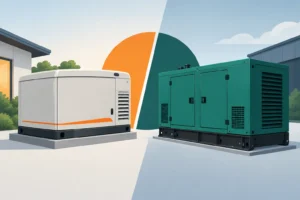
When a generator starts, it can only power the loads the system was designed to support. Some properties use an essential-load setup that powers priority circuits such as refrigeration, lighting, internet, security, a few outlets, and selected HVAC equipment. Others choose whole-home or whole-business coverage sized to support more of the electrical load.
Neither approach is automatically right for every property. Essential-load systems can reduce the size and cost of the generator, while whole-property systems provide greater convenience and coverage. The correct choice depends on your electrical usage, fuel source, budget, comfort expectations, and the systems you cannot afford to lose.
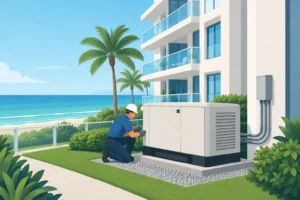
For a second home in Gulf Shores or Orange Beach, automatic startup can protect refrigeration, security, and climate control while you are away. For a local business, it can preserve connectivity, refrigeration, lighting, security, and the ability to serve customers after utility power fails. The value is not simply having electricity. It is having the right electricity available without a scramble.
Trust the System Before the Storm Arrives
A standby generator should be planned before an outage, not during one. Proper sizing, fuel planning, electrical-panel integration, transfer-switch installation, permits, and maintenance all work together to make automatic operation dependable.
Jubilee Generator helps Baldwin County property owners select, install, and maintain standby systems built for the realities of Gulf Coast weather. With the right generator and professional support, your property can respond to a power failure the moment it happens, even when you are not there to press a button.
The best time to find out whether your backup power will start automatically is not when the lights go out. It is while there is still time to prepare.