
When a hurricane, tropical storm, or severe thunderstorm knocks out power along Alabama’s Gulf Coast, a condo can become uncomfortable quickly. Air conditioning stops, elevators may be unavailable, refrigerated food is at risk, and security, internet, and access systems can go down. A properly planned coastal condo generator installation gives owners and property managers a dependable way to protect the systems that matter most.
Condo backup power is not a one-size-fits-all project. Unlike a detached house, a condominium property has shared electrical infrastructure, association rules, limited equipment space, and neighbors to consider. The right solution starts with a clear plan for the building, the people who depend on it, and the conditions unique to the coast.
Why Coastal Condo Generator Installation Requires Planning
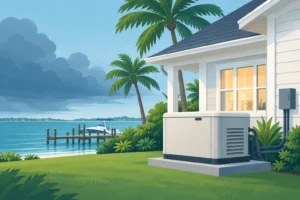
Salt air, high humidity, wind-driven rain, and flooding risk make coastal generator projects different from installations farther inland. A generator that is correctly sized but poorly placed can still face premature corrosion, difficult service access, or trouble during a storm. The equipment, fuel supply, electrical connections, and concrete pad all need to account for the Gulf Coast environment.
The first question is also the most practical: what needs to remain powered during an outage? For a single-unit condo, that may mean a dedicated system supporting HVAC, refrigeration, lighting, internet, a few outlets, and medical equipment. For a condominium association, the priority may be common-area lighting, gates, security cameras, fire-related systems, sump pumps, elevators where permitted and designed for backup, and the office or maintenance area.
Trying to power every circuit in a large building can create a much larger project and a much higher investment. In many cases, a carefully designed essential-load system delivers the protection residents need without oversizing the generator. The best choice depends on the property’s electrical layout, available fuel, local requirements, and the association’s outage priorities.
Start With HOA and Building Approval
For most condo owners, the generator decision cannot be made by one unit owner alone. Exterior equipment, shared electrical panels, natural gas connections, propane storage, and noise all affect the association and the building as a whole.
Before selecting equipment, review the condominium documents and speak with the HOA or property management team. Approval may be required for the generator location, screen enclosure, fuel source, conduit routing, and service access. A board may also need to decide whether the generator serves one unit, several units, or common systems.
This step can feel administrative, but it prevents costly changes later. A professional site evaluation gives the board useful information: where the equipment can safely sit, what clearances are required, how the transfer equipment will work, and whether the proposed system fits the property’s electrical capacity.
For associations, it helps to document the objective in plain language. For example, the project may be intended to keep security and entry systems operating, prevent water damage through pump operation, preserve communications, or provide a designated cooled common area during an extended outage. Clear priorities make approval and budgeting easier.
Choose the Right Generator Size and Fuel Source
Generator sizing is based on actual electrical demand, not just square footage. Air conditioning equipment, electric water heaters, ranges, pool equipment, elevators, pumps, and commercial kitchen loads can all change the calculation substantially. A load assessment identifies which systems can operate together and which should be managed or excluded during an outage.
For many coastal properties, a Generac automatic standby generator is a practical fit because it can start automatically when utility power fails and transfer power back to the grid when service returns. Automatic operation is especially valuable for second-home owners and property managers who may not be at the building when an outage begins.
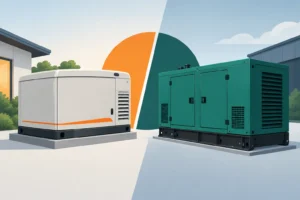
Natural gas is convenient where a reliable gas line is available, since it does not require on-site fuel refilling during a long outage. Propane can be an excellent alternative where natural gas is not available or where the property needs greater fuel independence. Diesel may make sense for some larger commercial or multifamily applications, but it requires fuel management and periodic attention to stored fuel condition.
There is no universal best fuel. The right answer depends on local utility availability, generator size, anticipated runtime, site space, and the building’s emergency plan.
Protect Equipment From Salt, Water, and Wind
A coastal generator must be installed with long-term exposure in mind. Salt air can accelerate corrosion on enclosures, fasteners, electrical connections, and nearby components. Regular cleaning and maintenance help, but thoughtful installation is the first line of defense.
The generator should sit on a stable pad in a location that meets manufacturer clearances and local code requirements. It must remain accessible for service while staying clear of doors, windows, vents, and areas where exhaust could affect residents. On properties with flood exposure, elevation and drainage deserve special attention. The goal is to keep the equipment and its electrical components protected from standing water without creating an inaccessible installation.
Wind is another consideration. Equipment must be secured correctly, and any protective screening or enclosure must not restrict airflow. A generator needs ventilation to operate safely. Decorative barriers that look good but trap heat or obstruct service can create problems when the system is needed most.
Automatic Transfer Is What Makes Backup Power Practical
A standby generator does more than produce electricity. It works with an automatic transfer switch that monitors utility power. When the grid fails, the switch safely separates the property from the utility, starts the generator, and transfers selected loads to backup power. When utility power returns and stabilizes, the system transfers back and shuts down the generator.
That automatic response matters during nighttime outages, evacuation events, and periods when a property is vacant. Residents and managers do not need to run outside in severe weather, connect extension cords, or manually start portable equipment. Essential circuits receive power based on the design of the system.
For condo properties, transfer-switch design must be handled carefully. A system serving common areas may connect at a different point than one serving an individual residence. The installer needs to understand the building’s existing panels, metering arrangement, and any life-safety equipment before recommending a solution.
Professional Installation Protects the Property and the Investment
A generator installation involves electrical work, fuel connections, permitting, placement, startup testing, and coordination with the property’s needs. Cutting corners can create safety issues, code concerns, equipment damage, or a system that does not perform as expected under load.
Jubilee Generator provides turnkey standby power planning for Baldwin County and Gulf Coast properties, from generator selection and panel integration to automatic transfer operation and ongoing service. That local experience matters when a project must account for coastal conditions, hurricane readiness, and the realities of condominium ownership.
A professional installation should include a site assessment, load evaluation, equipment recommendation, permit coordination when required, proper electrical and fuel connections, startup testing, and a clear explanation of how the system operates. The property owner or manager should know what the generator powers, how often it exercises, what alerts to watch for, and who to call for service.
Maintenance Keeps the Generator Ready
A standby generator is designed to wait quietly until it is needed. That does not mean it should be forgotten. Coastal conditions make routine maintenance even more valuable because moisture, salt exposure, pests, and debris can affect equipment over time.
A service plan typically includes inspection of the enclosure, battery, oil, filters, electrical connections, transfer switch operation, and fuel system. Regular exercise cycles help confirm that the generator is ready, but scheduled professional service provides a more complete check of the system’s condition.
For associations, maintenance responsibility should be documented clearly. Decide who receives service alerts, who approves repairs, and how residents will be notified when testing is scheduled. A dependable system depends on both the equipment and the plan behind it.
A coastal condo generator installation should make the next outage less uncertain, not add another complicated property concern. Start by identifying the essential systems your building cannot afford to lose, then have a qualified local contractor evaluate the site before storm season puts that decision under pressure.