
A storm forecast can change quickly along Alabama’s Gulf Coast. One hour, the lights are on and the air conditioner is running. The next, utility power is out, the refrigerator is warming, and you are deciding what can wait. This backup power planning guide helps homeowners and business owners make those decisions before an outage puts pressure on every choice.
A standby generator is not simply a piece of equipment outside your home or building. Properly planned, it is an automatic system that senses a utility failure, starts when needed, and restores power to the electrical circuits that matter most. The goal is simple: keep your property safer, more comfortable, and more functional until utility service returns.
Start Your Backup Power Planning Guide With Priorities
The right generator starts with an honest look at what your property needs during an outage. For some homeowners, that means air conditioning, refrigeration, lighting, internet, security, garage access, and charging for phones and medical devices. For others, particularly second-home owners, it may mean protecting the property while they are away by keeping climate control, sump pumps, security equipment, and essential appliances operating.
Businesses should look beyond lights and outlets. A restaurant may need refrigeration and point-of-sale equipment. A medical office may need critical devices and connectivity. A property manager may need gate access, common-area lighting, security cameras, elevators where applicable, or systems that protect multiple residents. Every operation has a different definition of essential power.
Before choosing a generator, separate your needs into three categories: must stay on, strongly preferred, and can wait. This helps avoid two common problems. The first is choosing a unit that is too small to support the loads you expect to run. The second is paying for more capacity than the property will realistically use during an outage.
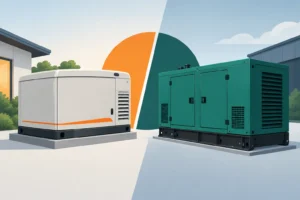
Whole-home backup can power most or all of a home, depending on the generator size and electrical demand. Essential-circuit backup focuses on selected loads, such as refrigeration, lighting, internet, and key HVAC equipment. Neither approach is automatically better. It depends on your budget, your property, and how much normal daily life you want to maintain when the grid is down.
Think About Starting Loads, Not Just What Is Plugged In
Some equipment requires more power at startup than it uses while running. Air conditioners, well pumps, refrigerators, freezers, and certain motors are familiar examples. That is why generator sizing should be based on a professional load assessment rather than a rough estimate from an appliance list.
A qualified installer evaluates your electrical panel, major appliances, HVAC system, fuel availability, and desired coverage. This process identifies how much power the system needs to deliver safely and reliably. It also reveals whether a load-management solution can help support high-demand equipment without requiring an unnecessarily large generator.
Choose a Fuel Plan That Fits the Property
For permanent standby generators, natural gas and propane are the most common fuel choices. Both can provide dependable operation, but the best option depends on your location and existing utility service.
Natural gas can be a convenient choice where dependable gas service is available. Because it is delivered through a utility line, you do not need to monitor a tank level in the same way you would with propane. Still, the available gas pressure and line capacity must be evaluated as part of installation planning.
Propane gives many Gulf Coast properties a practical solution, particularly in locations without natural gas service. It does require a properly sized tank and a clear plan for fuel delivery. Tank size matters because outage duration is never guaranteed after a major storm. A system that can run for a few hours is very different from one designed to support a home or business through several days of utility disruption.
Fuel planning should account for the generator’s expected load, not just its maximum rating. Running a large home with multiple air conditioners will consume more fuel than supporting refrigeration, lights, and a few essential circuits. Your installer can help you balance desired comfort with realistic fuel use and storage capacity.
Plan for Automatic Operation and Safe Installation
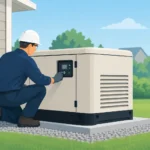
The feature that makes a standby generator different from a portable unit is automatic operation. When utility power fails, an automatic transfer switch separates your property from the utility supply, signals the generator to start, and transfers selected power to the generator. When utility power returns and stabilizes, the system transfers back and the generator shuts down.
This process is more than a convenience. It protects utility crews and your electrical system by preventing dangerous backfeeding. A generator should never be connected to a building through an improvised setup or by plugging it into an outlet. Safe backup power requires the right transfer equipment, properly installed by trained professionals.
Installation also includes practical site decisions. The generator needs proper clearance for airflow and service access. It must be placed with local codes, manufacturer requirements, noise considerations, and flood conditions in mind. In coastal Alabama, drainage and storm exposure deserve special attention. A unit placed in the wrong location can create avoidable service issues when you need it most.
Permitting, electrical-panel integration, gas connections, and final testing are all part of a complete project. Jubilee Generator helps property owners coordinate these details so the system is designed around the home or business rather than treated as an afterthought.
Do Not Forget the Systems Around the Generator
A generator can only protect what has been included in the electrical plan. Review the equipment that keeps your property safe and livable, including HVAC controls, refrigerators and freezers, well pumps, garage doors, security systems, internet equipment, medical devices, and exterior lighting.
For businesses, include the less obvious systems that affect operations. Network equipment, phones, alarm panels, access controls, registers, refrigeration alarms, and computer workstations may use relatively little power, yet their loss can stop business activity. If a business has a specific continuity goal, such as keeping a walk-in cooler cold or maintaining customer service during an outage, state that goal early in the planning process.
It is also wise to protect sensitive electronics with appropriate surge protection. Power restoration can bring fluctuations that affect connected equipment. Your generator installer can discuss where surge protection fits within the broader electrical plan.
Plan for Maintenance Before the First Outage
A standby generator is designed to exercise regularly and alert you when service is needed, but it is still an engine-based system that needs professional care. Oil, filters, batteries, spark plugs, fuel connections, electrical components, and transfer switch operation all require periodic attention.
Maintenance is not a task to postpone until hurricane season. Service should be scheduled consistently so a technician can identify issues before the next severe-weather event. This is especially valuable for second-home owners and commercial properties, where a generator may sit unnoticed for long periods.
Ask what ongoing service includes and who will support the system after installation. A low initial price can lose its appeal quickly if there is no dependable service partner when an alert appears or a storm is approaching. Certified installation and continued maintenance help protect both the equipment and your investment.
Use a Practical Timeline for Hurricane Season
The best time to plan backup power is before the forecast is crowded with named storms. Equipment availability, permits, fuel arrangements, and installation schedules all take time. Waiting until a hurricane is already approaching can limit choices and create unnecessary stress.
For a home or business that is beginning the process, start with a site consultation and load assessment. From there, select the generator capacity, fuel source, transfer equipment, and coverage level that fit your needs. Once the system is installed, test it under normal conditions and make sure everyone responsible for the property knows what to expect when it operates.
If you already own a standby generator, schedule service before the most active part of storm season. Confirm that the unit exercises properly, review any alerts, check propane levels if applicable, and keep the area around the generator clear. A few routine checks can prevent an avoidable problem during an extended outage.
Backup power planning is ultimately about removing uncertainty. Before the next storm threatens Baldwin County, decide what your home or business needs to keep running, then put a professionally installed and maintained system in place that can answer when the power goes out.