
A quiet house after the power drops can become a serious problem fast. In Baldwin County and across Alabama’s coast, Gulf Coast outage risks are not limited to a named hurricane making landfall. A strong thunderstorm, tropical system, damaged utility equipment, extreme heat, or a vehicle striking a power pole can interrupt electricity when your home or business needs it most.
For homeowners, an outage can mean rising indoor temperatures, spoiled food, a disabled well pump, lost internet, and security systems that stop working. For businesses, the stakes can include lost inventory, interrupted customer service, missed transactions, and systems that cannot operate without power. A professionally installed automatic standby generator provides a dependable response before an outage becomes an emergency.
Why Gulf Coast Outage Risks Are Different
Gulf Coast weather places unusual pressure on the electrical grid. Hurricane season is the obvious concern, but it is only part of the picture. Heavy rain can saturate soil and weaken trees around power lines. High winds can break limbs, damage poles, and affect local distribution equipment. Lightning can cause sudden failures even when a storm seems brief.
Heat adds another layer of risk. During long Alabama summer heat waves, air conditioning demand rises across the region. That demand can strain electrical infrastructure, while storms developing in the afternoon can bring damaging wind and lightning with little warning. A power interruption during high heat is more than an inconvenience, particularly for households with infants, older adults, pets, medical equipment, or vulnerable family members.
Coastal communities also face conditions that can complicate restoration. Salt air, flooding, access restrictions, and widespread storm damage can slow repair work. If an event affects multiple neighborhoods at once, utility crews must prioritize safety and critical infrastructure before every individual property can be restored. That is why preparing only after a storm is on the radar leaves too much to chance.
The Real Cost of Losing Power
Many people think of outages in terms of darkness and inconvenience. The more significant effects are often the ones that build over several hours or days. Refrigerated food begins to spoil, indoor humidity climbs, phones and computers lose charge, and a garage door opener may not work when you need to leave or return.
For a second home in Gulf Shores or Orange Beach, an extended outage can be especially stressful. An owner may be away when the power fails, unable to monitor indoor conditions, refrigeration, security equipment, or sump and drainage systems. Property managers face similar concerns when guests depend on climate control, lighting, Wi-Fi, and functioning appliances.
Businesses have their own exposure. Restaurants, markets, medical offices, retail stores, marinas, offices, and service providers may rely on refrigeration, internet, point-of-sale equipment, lighting, security, and communications. The right generator plan depends on the operation. Some businesses need enough power to keep essential systems running, while others need broader coverage to remain open and serve customers during a utility outage.
How an Automatic Standby Generator Responds
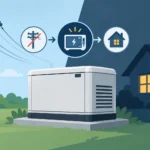
An automatic standby generator is permanently installed outside the home or building and connected to the electrical system through an automatic transfer switch. It monitors incoming utility power at all times. When utility power fails, the transfer switch signals the generator to start, then moves the selected electrical load from the grid to generator power.
This happens automatically, often within seconds. You do not need to be home to pull out a portable generator, run extension cords, refuel equipment, or stand outside in severe weather. When utility power returns and stabilizes, the system transfers the electrical load back to the grid and the generator shuts down safely.
For Gulf Coast properties, that automatic response matters. Outages do not schedule themselves around business hours, vacations, or clear weather. A standby system is designed to protect the property whether the interruption happens at 2 p.m. during a summer storm or overnight while your family is asleep.
Choosing essential coverage or whole-property coverage
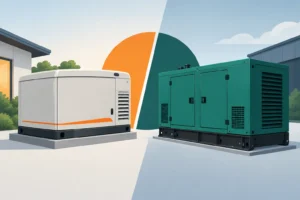
The right system starts with a conversation about what must stay on. A smaller standby generator can support selected essential circuits, while a larger system may power most or all of a home. Neither option is automatically better. The right choice depends on the home’s electrical demand, fuel availability, budget, and the level of comfort and continuity you expect during an outage.
Essential coverage often includes:
- HVAC equipment or a designated heating and cooling system
- Refrigerators and freezers
- Lighting, internet, televisions, and device charging
- Security systems, garage doors, pumps, and critical medical equipment
A whole-home approach can offer broader continuity, but it requires careful load planning. A qualified contractor evaluates major appliances, air conditioning, electrical panels, and starting loads so the generator is sized for real-world use rather than guesswork.
Fuel Planning Is Part of Preparedness
A standby generator needs a reliable fuel source. Many residential systems operate on natural gas or propane. Natural gas can be a convenient option where service is available, while propane can be an excellent solution for properties beyond natural gas lines or for owners who prefer an on-site fuel supply.
There are trade-offs. Propane capacity should be planned around expected generator use and coordinated with a dependable fuel provider. Natural gas service removes the need to refill a tank, but availability varies by location. A professional consultation helps identify the practical choice for your property and local conditions.
Fuel is one reason a portable generator is not a direct replacement for an automatic standby system. Portable units can be useful for short-term, limited needs, but they require manual setup, safe outdoor placement, regular refueling, and properly managed cords or transfer equipment. During wind, rain, or an evacuation, those requirements can be difficult or unsafe to manage.
Professional Installation Protects the Investment
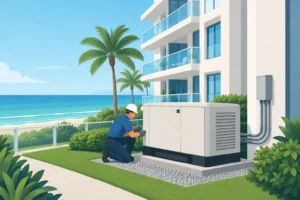
A generator is only as dependable as the system supporting it. Proper installation involves more than placing equipment on a pad. It includes electrical load evaluation, generator sizing, transfer switch integration, panel connections, fuel coordination, local permitting, and safe placement that meets manufacturer and code requirements.
Poor sizing can leave a generator overloaded when multiple large appliances start. Improper electrical connections can create safety hazards for occupants and utility workers. Skipping maintenance can mean discovering a problem only after the lights go out. Those are avoidable risks when the project is handled as a complete standby power system rather than a piece of equipment alone.
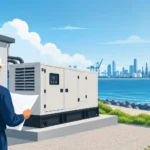
Jubilee Generator provides that full-service approach for homes and businesses throughout Baldwin County and Alabama’s Gulf Coast communities. As a certified Generac dealer with experience across other leading generator brands, the team helps customers select, install, test, and maintain a system built for the property’s actual needs.
Maintenance Keeps Backup Power Ready
A standby generator should exercise regularly and receive scheduled service. Like any engine-driven equipment, it needs attention to items such as oil, filters, batteries, spark plugs where applicable, and overall system operation. The transfer switch and electrical connections also need periodic inspection.
Maintenance becomes especially important before hurricane season, but it should not be treated as a once-a-year task. A service plan helps catch battery weakness, low fluid levels, warning codes, and fuel-related concerns before an outage exposes them. It also gives property owners confidence that the generator will start when it is called upon.
If your system has sat unused through a mild season, do not assume it is ready simply because it looks fine from the outside. Regular professional service provides the evidence that matters: the generator starts, carries the intended load, and transfers power correctly.
Prepare Before the Forecast Changes
The best time to evaluate Gulf Coast outage risks is when the weather is calm and there is time to make informed choices. Start by considering what power loss would interrupt at your home or business. Think beyond lights. Consider air conditioning, refrigeration, communications, security, pumps, medical needs, equipment, and the ability to continue serving customers.
Then have a qualified standby power contractor assess your property. A site evaluation can identify electrical capacity, preferred coverage, fuel options, equipment placement, and installation requirements. Financing may also make it possible to protect the property now rather than postponing the decision until after the next major outage.
Reliable backup power does not change the weather, but it changes what a power failure can take from you. With the right automatic standby generator and a plan to maintain it, your property can stay safer, more comfortable, and ready for whatever the Gulf Coast sends next.