
When a Gulf Coast storm takes down the grid, the inconvenience can turn serious fast. Air conditioning stops in the heat, refrigerated food begins to spoil, security systems go offline, and a home or business can lose the systems it depends on most. Generac generators are designed to take that worry out of an outage by restoring power automatically, often before the interruption becomes a major disruption.
For homeowners in Baldwin County and throughout Alabama’s Gulf Coast, backup power is not only about keeping the lights on. It is about protecting your property, preserving daily comfort, and keeping your family connected when severe weather puts the utility system to the test. For businesses, it can mean maintaining refrigeration, communications, security, point-of-sale systems, and essential operations.
How Generac Generators Protect Your Property
A permanently installed Generac standby generator monitors incoming utility power around the clock. When it detects an outage, the automatic transfer switch safely disconnects the property from the utility line and signals the generator to start. Within seconds, the system begins powering the circuits or equipment included in your installation.
When utility power returns, the transfer switch moves the electrical load back to the grid, and the generator shuts down after a brief cooldown period. There is no need to drag out a portable unit, run extension cords through a doorway, or stand outside in bad weather trying to start an engine.
That automatic response matters when an outage happens while you are asleep, away from your second home, or focused on protecting your family during a storm. A standby system cannot prevent every inconvenience, but it can keep essential electrical systems available without requiring immediate action from you.
What Can Stay Powered During an Outage?
The answer depends on the generator size, your property’s electrical demand, and the priorities you set during planning. A properly designed system may support selected essentials, or it may be sized for whole-home or whole-business coverage.
Many homeowners choose to keep HVAC equipment, refrigerators and freezers, lighting, internet equipment, garage doors, security systems, televisions, medical equipment, and device charging available. In a larger whole-home installation, the generator may also support additional conveniences such as kitchen appliances, laundry equipment, or a pool system. The right approach is not always to power everything. It is to protect what matters most while selecting a system that fits the property and budget.
Commercial needs are equally specific. A restaurant may prioritize refrigeration and kitchen equipment. A property manager may need gate access, exterior lighting, alarm systems, and communications. An office may need network equipment, climate control, and workstations. Load planning helps determine what must remain operational and what can wait until utility power is restored.
Choosing the Right Generac Generator Size
Generator sizing is where professional guidance makes a real difference. A generator that is too small may not carry the loads you expect, especially when air conditioners, pumps, or other motor-driven equipment start. An oversized system can add unnecessary cost. The goal is a reliable match between the generator, the electrical panel, the transfer equipment, and the way the property is actually used.
A site consultation should consider the square footage and layout of the property, major appliances, HVAC systems, well or sump pumps where applicable, electrical service capacity, and whether you want partial or whole-property coverage. Fuel availability is another important part of the decision. Most standby systems operate on natural gas or propane, and fuel planning should account for local availability and the expected duration of an extended outage.
For a coastal home that is occupied seasonally, automatic backup power can offer an added layer of protection when no one is there to respond. Keeping climate control, refrigeration, security, and communications running can reduce the risks that develop after days without power. However, a generator is only one part of a complete preparedness plan. Property owners should still consider storm shutters, drainage, insurance, and a communication plan for major events.
Why Professional Installation Matters
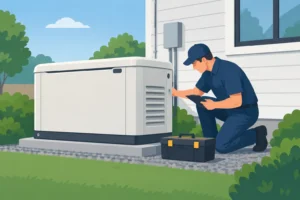
A standby generator is an integrated electrical and fuel system, not a plug-in appliance. Safe installation requires proper placement, permitting, electrical connections, fuel connections, transfer-switch configuration, and testing. Local codes, manufacturer requirements, setbacks, ventilation, and flood considerations all affect where and how the equipment can be installed.
Professional installation also helps prevent a dangerous problem known as backfeeding. A correctly installed automatic transfer switch isolates the generator from utility lines during an outage. This protects utility workers and ensures the generator supplies power only through the intended electrical path.
At Jubilee Generator, the process is designed to remove the technical burden from the property owner. A qualified team can assess your needs, recommend an appropriate Generac system, coordinate professional installation, integrate the equipment with your electrical panel, and verify that automatic operation works as intended. That full-service approach matters because dependable backup power is not simply a product purchase. It is a system that must perform when conditions are at their worst.
Generac Generators Need Ongoing Care
Like any engine-powered equipment, a standby generator needs routine maintenance. The unit performs self-tests on a schedule, but those exercises do not replace professional inspection and service. Oil, filters, batteries, fuel components, electrical connections, and operating alerts should be checked according to the manufacturer’s recommendations and the system’s use.
Regular maintenance is especially valuable in the Gulf Coast environment. Heat, humidity, salt air, heavy rain, and long periods of storm readiness can affect equipment over time. Service visits give technicians an opportunity to identify a weak battery, fluid issue, error code, worn component, or fuel concern before it becomes a no-start condition during an outage.
Owners also have a role to play. Keep the area around the generator clear of leaves, debris, stored materials, and overgrown landscaping. Do not block airflow. Pay attention to warning lights or alerts, and arrange service promptly if the unit reports a fault. If your generator runs during an extended outage, follow your service provider’s guidance for post-outage inspection and maintenance.
The Real Value Is Confidence Before the Storm
A standby generator is an investment, and the right system depends on your property, power priorities, and long-term plans. Financing may make a professionally installed system more accessible, but the decision should still begin with an honest assessment of what an outage would cost you in discomfort, lost food, interrupted work, damaged property, or business downtime.
For some families, the priority is keeping a few essential circuits active. For others, especially households with medical needs, elderly family members, remote work requirements, or second homes, whole-home coverage provides greater peace of mind. Businesses should weigh the cost of a generator system against the cost of closing doors, losing inventory, or failing to serve customers during a prolonged outage.
Severe weather does not wait for a convenient time to arrive. Planning your backup power system before hurricane season gives you time to make informed choices about capacity, fuel, installation, and maintenance. The best time to arrange dependable power is while the sky is clear and you can focus on protecting what matters most.